How to Read Supplement Labels Without Stress

Ingredients as information, not promises

Why Ingredient Lists Often Look More Complex Than They Are

When you pick up a supplement bottle, the ingredient list might seem overwhelming at first glance. Long chemical names, measurements you don't recognize, and technical terms can create unnecessary anxiety. But here's the truth: an ingredient list is simply information. It's a factual record of what's inside the bottle, organized in a specific way by regulation.

The complexity isn't intentional—it's the result of how the food and supplement industry communicates. Understanding this framework transforms your approach from feeling confused to feeling informed. The label doesn't make promises about what will happen to your body; it simply tells you what's there.

Unpack the concept further

What an Ingredient List Actually Tells You

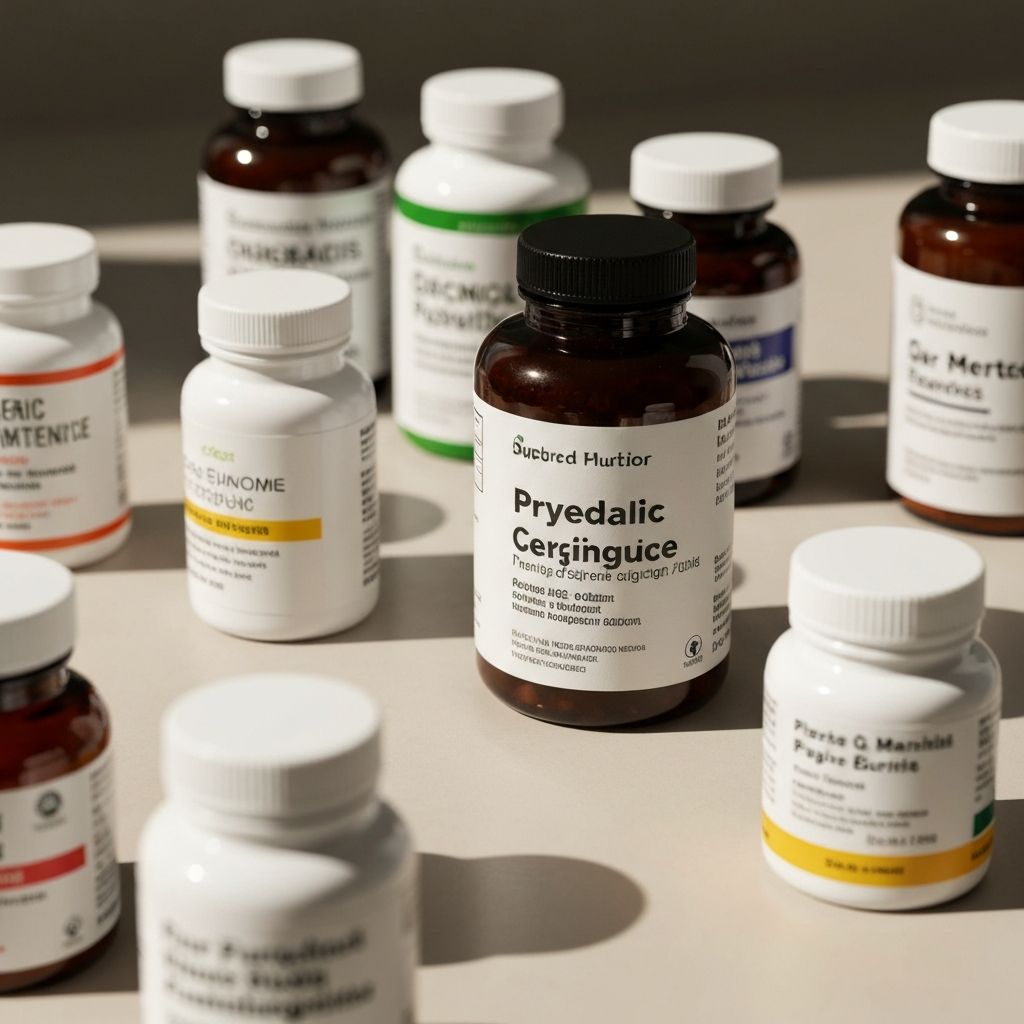
Various supplement bottles with clear labels organized on a neutral surface

An ingredient list serves one primary function: transparency. It shows you exactly what's included, in what quantity, and in what form. This is regulatory information designed to help you make informed choices, not marketing information designed to persuade you.

The order of ingredients is meaningful—they're listed by weight, from most to least. This tells you what makes up the bulk of the product. The amounts (usually expressed in milligrams) tell you the dose of each ingredient per serving.

What an ingredient list does NOT tell you: how the ingredient will affect your body, whether it works better than alternatives, or whether it will produce specific results. Those are separate conversations involving research, individual biology, and realistic expectations.

Learning to read this information calmly removes the guesswork and anxiety from supplement use. You become a participant in your own health decisions rather than a passive consumer.

How to Separate Information from Marketing Language

Marketing language lives on the front of the bottle. It's designed to catch your attention and create desire. "Energy Boost," "Premium Formula," "Advanced Support"—these are marketing terms, and they're not regulated the same way as ingredient lists.

Ingredient lists, on the other hand, are heavily regulated. They must be accurate and complete. This is the information you can trust to be factual. The front label might say "Energy Support," but the ingredient list shows you exactly what's meant to support energy.

Learning to separate these two parts of the label—the promise from marketing and the reality from the ingredient list—is where clarity begins. You're no longer comparing promises; you're comparing actual ingredients.

This doesn't mean marketing is wrong or deceptive in every case, but it does mean that the ingredient list is the source of truth. Use it to make decisions based on what's actually in the bottle, not what you hope will happen.

Woman at desk studying supplement label carefully with notepad and natural lighting

Examples of Calm, Realistic Label Reading

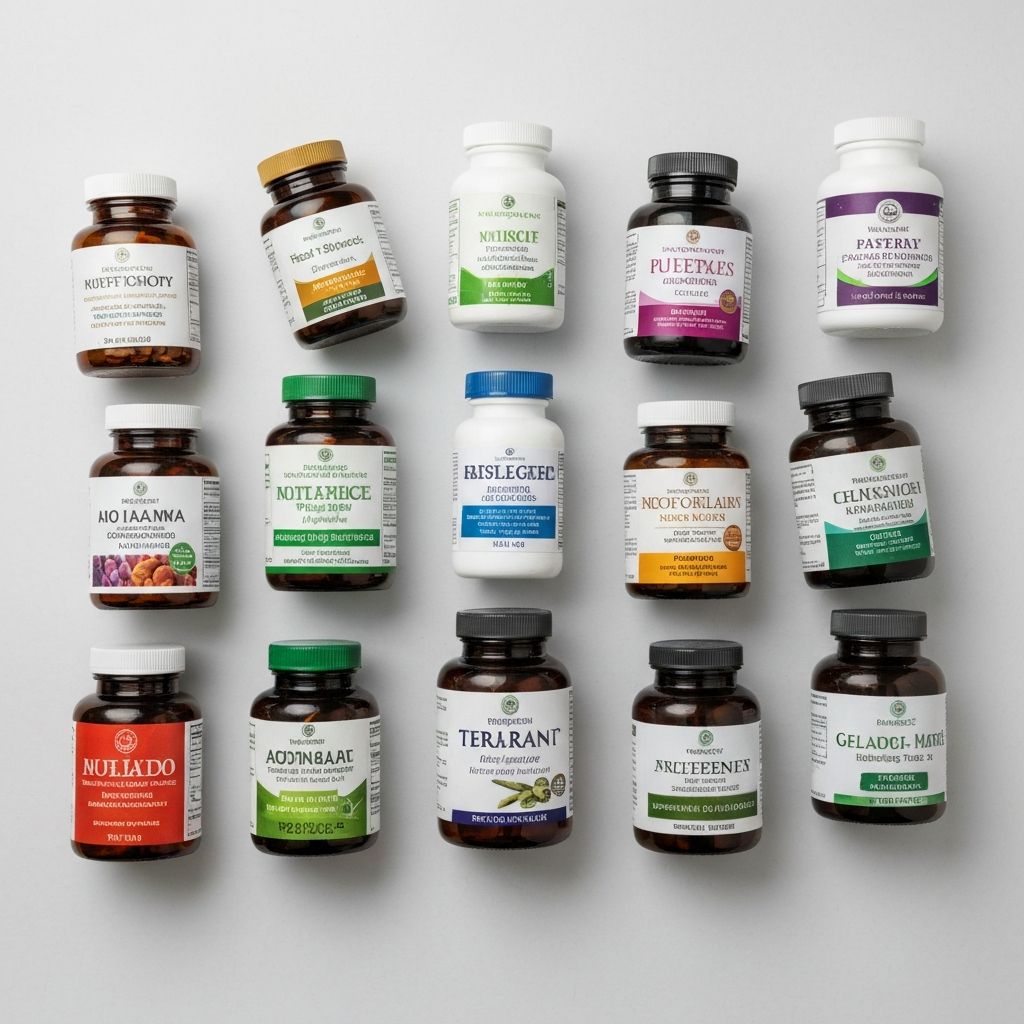
Flat lay of supplement bottles with clearly visible ingredient labels organized on light background

Let's walk through what realistic label reading looks like:

Example 1: You're looking at a multivitamin. The ingredient list shows B vitamins, vitamin C, vitamin D, and minerals. You know these are nutrients your body needs. The label doesn't promise you'll have more energy—it simply provides nutrients that support normal body function. Your task is to verify the doses are reasonable and that the brand is reputable.

Example 2: You're considering an herbal supplement. The ingredient list shows specific herbs like ashwagandha or rhodiola. You can then research what science says about these herbs separately—but what the label tells you is the precise amount included. This information matters because dose matters.

Example 3: You see a supplement with many ingredients. Instead of feeling overwhelmed, you read the label calmly. You recognize some ingredients, look up others, and make a decision based on whether you want what's inside—not on what the marketing promises.

Information as Knowledge, Not as Outcome

This is the core shift: treating an ingredient list as information to be understood, not as a promise of results. The label tells you what's there. What happens next is complex—it involves your individual biology, your lifestyle, your diet, your stress levels, and a hundred other factors.

A realistic approach means:

  • Reading labels to understand what you're putting in your body
  • Recognizing that ingredients are not guarantees
  • Understanding that "natural" and "premium" are not the same as "effective"
  • Making choices based on your values and research, not on marketing
  • Accepting that results vary widely between individuals
Notebook with writing, pen, and supplement research notes on a calm study desk

About Taruna

Taruna is an educational project created to help people look at supplements calmly and without exaggeration.

In a world of health and wellness information, anxiety often comes not from the products themselves but from the gap between marketing claims and reality. Our mission is to close that gap through clear, rational, supportive information about understanding supplement labels.

We believe that informed consumers make better choices. Not choices that are "right" for everyone, but choices that are right for them—based on their values, their research, and their individual needs.

Taruna is not a medical platform. We don't diagnose, treat, or promise results. We simply help you read and understand what's actually in the supplements you're considering. Everything we share is educational and informational.

Three Calm Reminders

Ingredients Are Information

Not promises. Not guarantees. Simply factual data about what's in the bottle. Treat them as information to be understood, not as promises to expect outcomes from.

More Words Do Not Mean More Value

A long ingredient list doesn't mean a better product. A "premium formula" doesn't necessarily outperform a simpler one. Focus on what's actually present, not on the marketing narrative.

A Calm Look Helps Better Choices

Anxiety clouds decision-making. When you approach labels rationally, you make choices based on information rather than fear or hype. Clear thinking leads to better decisions.

Questions for More Realistic Expectations

Before purchasing any supplement, ask yourself these questions. They help you move from marketing excitement to informed choice:

  • What specific ingredient or ingredients am I buying this for? Can you name them? If you can't, the marketing is doing the talking, not the product.
  • What does the ingredient list actually tell me? Not what the front label says, but what the actual ingredients and amounts are. Is this what I expected?
  • What am I realistically expecting? Be honest. Are you hoping for a miracle, or are you adding a reasonable nutrient to support normal function?
  • What do I actually know about whether this works? Have you read any research? Do you know someone who's used it? Or are you just responding to marketing?
  • Is my choice based on hope or on information? There's nothing wrong with hope, but decisions should be built on information first.
Expand your understanding

Get in Touch

This form is used for informational purposes only. We do not sell directly and do not collect any personal data.
Thank you for reaching out. We'll get back to you soon!